Strength in Adversity: Building Resilience to Navigate Life's Challenges
- posted: Aug. 27, 2024
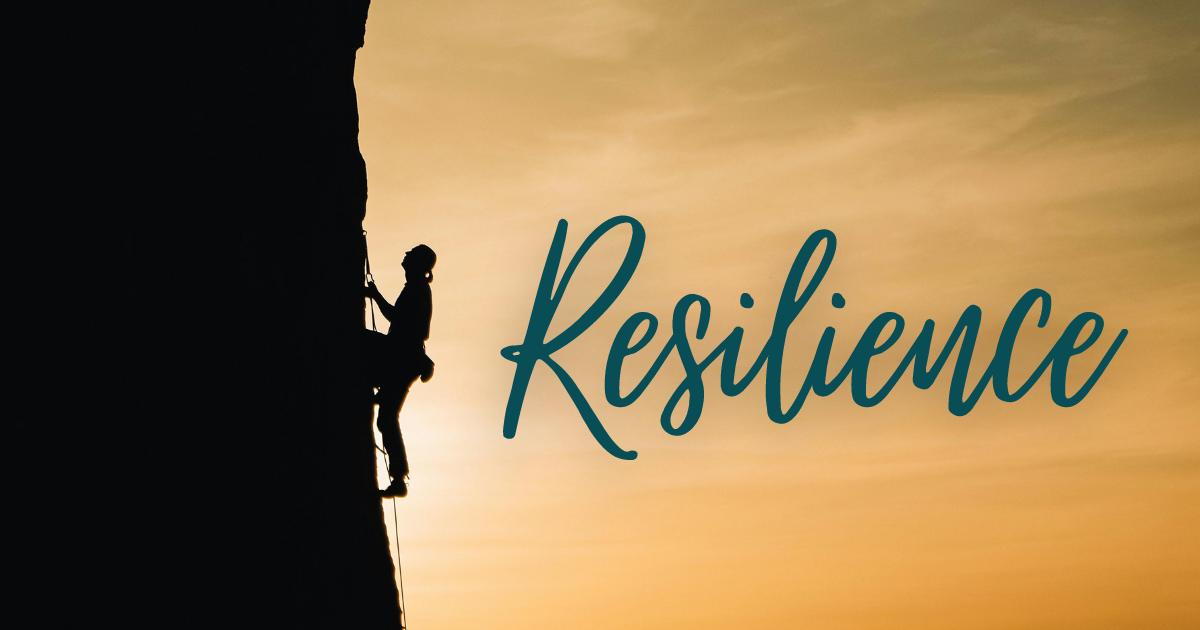
Life is often marked by difficulties, setbacks, and unexpected crises. Whether these challenges stem from personal issues, health concerns, or unforeseen life events, they test our inner strength and resolve. The key to successfully navigating such moments lies in resilience—the capacity to cope with and recover from stress and adversity. While resilience may not eliminate your problems, it equips you with the tools to handle them more effectively, allowing you to emerge stronger and more resilient.
What is Resilience?
Resilience refers to the ability to endure and recover from life’s challenges. It’s not just about getting through tough times unscathed; it’s about learning, adapting, and growing from these experiences. Building resilience involves developing healthy coping strategies, maintaining a positive perspective, and cultivating the ability to bounce back from setbacks.
What Resilience is Not
It's essential to understand what resilience does not entail. Resilience is not about suppressing your emotions, ignoring problems, or simply pushing through difficulties without addressing the underlying issues. It’s not a quality that some people are born with and others lack; rather, it’s a skill that anyone can develop and strengthen over time. Being resilient doesn’t mean avoiding stress or pain—it means having the tools to manage these challenges and continue moving forward.
The Consequences of Low Resilience
When an individual’s resilience is low, their ability to effectively manage stress and overcome adversity is significantly impaired. This vulnerability can result in prolonged periods of emotional distress, making it harder to cope with life's inevitable challenges. As resilience diminishes, individuals may find themselves trapped in a cycle of negative emotions, where each setback feels more overwhelming than the last.
Impaired Stress Management: Low resilience compromises the ability to handle stress, making everyday challenges feel more overwhelming effectively.
Prolonged Emotional Distress: Individuals with low resilience often experience extended periods of emotional turmoil, which can exacerbate feelings of helplessness and despair.
Increased Risk of Mental Health Issues: A lack of resilience heightens the risk of developing mental health concerns such as anxiety, depression, and other related disorders due to the reduced ability to bounce back from setbacks.
Unhealthy Coping Mechanisms: Without adequate resilience, individuals may resort to harmful coping strategies, such as withdrawal, substance abuse, or avoidance, which can further deteriorate their mental and physical health.
Erosion of Self-Efficacy: Low resilience can lead to a weakened belief in one’s ability to influence their circumstances, fostering a sense of powerlessness and further reducing motivation to overcome challenges.
Cycle of Negative Thinking: The struggle to recover from setbacks can create a cycle of negative thoughts, where each failure or difficulty seems more daunting, contributing to a downward spiral in overall well-being.
Compromised Quality of Life: As resilience diminishes, so does the capacity to navigate life’s challenges, ultimately undermining one’s overall well-being and quality of life.
The 8 Key Traits of Resilience
Resilience is not a single characteristic but a combination of several vital traits that work together to empower individuals to navigate life's challenges. These traits provide the emotional, mental, and social tools needed to cope with adversity and emerge stronger from difficult situations effectively. Below are the eight key traits that form the foundation of resilience:
Emotional Regulation: The ability to manage emotions effectively, even in stressful situations.
Optimism: Maintaining a positive outlook and believing in a better future.
Self-Efficacy: Confidence in your ability to influence events and outcomes in your life.
Problem-Solving Skills: The capacity to think critically and develop realistic solutions to problems.
Social Support: Having a network of supportive relationships that provide encouragement and assistance.
Sense of Purpose: A strong sense of meaning and direction in life.
Adaptability: The ability to adjust to changing circumstances and environments.
Perseverance: The determination to keep going, even when faced with significant obstacles.
The 7 C's of Resilience
Dr. Kenneth Ginsburg, a pediatrician specializing in adolescent medicine, developed the "7 C's of Resilience" to help build resilience in teens. While Dr. Ginsburg's framework was initially developed with teens in mind, the 7 C's are just as relevant for adults and older generations. In fact, the need for resilience may increase as we age, as we encounter more complex and varied challenges.
Competence: Recognizing your strengths and skills and using them to navigate challenges.
Confidence: Believing in your abilities and having the self-assurance to face challenges head-on.
Connection: Building strong ties to family, friends, and community, which provide emotional support during tough times.
Character: Developing a strong sense of right and wrong and making decisions that align with your values.
Contribution: Finding ways to make a positive impact on others, which can boost your sense of purpose and resilience.
Coping: Practicing healthy coping strategies to deal with stress and adversity.
Control: Focusing on what you can control in your life, which helps you feel empowered rather than helpless.
Building Resilience
Resilience is not a fixed trait but a skill that can be cultivated over time. Like strengthening a muscle, building resilience requires consistent effort and practice. Adopting specific strategies allows you to enhance your ability to withstand and recover from life’s challenges. Here are some effective approaches to fostering resilience in your daily life:

Prioritizing Relationships: Surround yourself with empathetic and supportive people. Strong relationships can provide a safety net during difficult times, reminding you that you're not alone. Engage in your community, volunteer, or join groups to build these connections.
Practicing Self-Awareness and Self-Care: Be kind to yourself. Practice self-compassion, eat well, get enough sleep, and stay active. These simple habits can significantly enhance your resilience.
Fostering Healthy Thinking: Find purpose in your daily life by engaging in activities that matter to you. This could mean cultivating your spirituality, participating in community service, or simply finding joy in small, everyday moments.
Embracing Flexibility: Life is unpredictable, and rigid thinking can make it harder to adapt to change. Cultivating flexibility in your thinking and behavior allows you to adjust more easily to new situations, helping you stay resilient in the face of unexpected challenges.
Setting Realistic Goals: Break down large, daunting tasks into smaller, manageable steps. Achieving these smaller goals can build confidence and momentum, making it easier to tackle more significant challenges. This approach also helps prevent overwhelm, a common barrier to resilience.
Building Problem-Solving Skills: Strengthen your ability to solve problems by regularly challenging yourself to think critically and creatively. Developing strong problem-solving skills can increase your confidence in handling future challenges, thus boosting your resilience.
Seeking Professional Help When Needed: Sometimes, the challenges we face can feel overwhelming, and it’s okay to seek help. Therapy or counseling can provide valuable tools and strategies to build resilience, especially during particularly difficult times.
Challenges to Resilience
While resilience is a powerful tool for navigating life’s challenges, certain factors can significantly hinder our ability to develop and maintain it. Recognizing these barriers is crucial for understanding why some people struggle more than others in the face of adversity. Here are some key challenges that can undermine resilience:
Chronic Stress: Prolonged exposure to stress, whether from work, personal life, or other sources, can drain emotional and physical resources, making it harder to bounce back from setbacks. Chronic stress can lead to burnout, reducing the capacity for resilience.
Lack of Social Support: Strong relationships are a cornerstone of resilience. Without a supportive network of family, friends, or community, individuals may feel isolated and overwhelmed when facing difficulties, which can make recovery more challenging.
Negative Thinking Patterns: Persistent negative thoughts, such as self-doubt, pessimism, or catastrophizing, can erode resilience. These thought patterns create a mental barrier that makes it difficult to see solutions or opportunities in the face of challenges.
Overwhelming Life Circumstances: Major life events, such as the loss of a loved one, financial crises, or severe health problems, can overwhelm an individual’s ability to cope. When these events occur simultaneously or in quick succession, the cumulative stress can severely impact resilience.
Societal Factors: Systemic inequalities, such as discrimination, economic hardship, and lack of access to resources, can make it more difficult for certain groups to build and maintain resilience. These societal challenges can create an environment where resilience is harder to achieve.
Final Thoughts
Resilience and perseverance go hand in hand. Perseverance is the unwavering determination to continue forward despite obstacles, while resilience provides the emotional and mental strength to sustain that journey. Together, they create a formidable force that empowers us to overcome even the most challenging circumstances. As the saying goes, "Desperation breeds resilience." In those moments when we are pushed to our limits, resilience is the inner strength that enables us to persevere.
Resilience is far more than just a trendy concept; it's an essential skill for navigating life's complexities. The strategies for building resilience—such as staying connected with others, practicing self-care, and finding purpose—may seem straightforward, but they hold immense power in shaping how we face and overcome adversity. Remember, resilience is something that can be developed and strengthened over time. Embracing the 7 C's, cultivating healthy habits, and nurturing strong relationships will help you build the resilience needed to face life's challenges with courage, allowing you to emerge even stronger on the other side.
Loving our articles? Get access to our monthly newsletters and valuable insights! Also, be the first to know about our latest events!
Scroll down below to the bottom of this page to subscribe to our email list!!
- posted: Aug. 27, 2024
Life is often marked by difficulties, setbacks, and unexpected crises. Whether these challenges stem from personal issues, health concerns, or unforeseen life events, they test our inner strength and resolve. The key to successfully navigating such moments lies in resilience—the capacity to cope with and recover from stress and adversity. While resilience may not eliminate your problems, it equips you with the tools to handle them more effectively, allowing you to emerge stronger and more resilient.
What is Resilience?
Resilience refers to the ability to endure and recover from life’s challenges. It’s not just about getting through tough times unscathed; it’s about learning, adapting, and growing from these experiences. Building resilience involves developing healthy coping strategies, maintaining a positive perspective, and cultivating the ability to bounce back from setbacks.
What Resilience is Not
It's essential to understand what resilience does not entail. Resilience is not about suppressing your emotions, ignoring problems, or simply pushing through difficulties without addressing the underlying issues. It’s not a quality that some people are born with and others lack; rather, it’s a skill that anyone can develop and strengthen over time. Being resilient doesn’t mean avoiding stress or pain—it means having the tools to manage these challenges and continue moving forward.
The Consequences of Low Resilience
When an individual’s resilience is low, their ability to effectively manage stress and overcome adversity is significantly impaired. This vulnerability can result in prolonged periods of emotional distress, making it harder to cope with life's inevitable challenges. As resilience diminishes, individuals may find themselves trapped in a cycle of negative emotions, where each setback feels more overwhelming than the last.
Impaired Stress Management: Low resilience compromises the ability to handle stress, making everyday challenges feel more overwhelming effectively.
Prolonged Emotional Distress: Individuals with low resilience often experience extended periods of emotional turmoil, which can exacerbate feelings of helplessness and despair.
Increased Risk of Mental Health Issues: A lack of resilience heightens the risk of developing mental health concerns such as anxiety, depression, and other related disorders due to the reduced ability to bounce back from setbacks.
Unhealthy Coping Mechanisms: Without adequate resilience, individuals may resort to harmful coping strategies, such as withdrawal, substance abuse, or avoidance, which can further deteriorate their mental and physical health.
Erosion of Self-Efficacy: Low resilience can lead to a weakened belief in one’s ability to influence their circumstances, fostering a sense of powerlessness and further reducing motivation to overcome challenges.
Cycle of Negative Thinking: The struggle to recover from setbacks can create a cycle of negative thoughts, where each failure or difficulty seems more daunting, contributing to a downward spiral in overall well-being.
Compromised Quality of Life: As resilience diminishes, so does the capacity to navigate life’s challenges, ultimately undermining one’s overall well-being and quality of life.
The 8 Key Traits of Resilience
Resilience is not a single characteristic but a combination of several vital traits that work together to empower individuals to navigate life's challenges. These traits provide the emotional, mental, and social tools needed to cope with adversity and emerge stronger from difficult situations effectively. Below are the eight key traits that form the foundation of resilience:
Emotional Regulation: The ability to manage emotions effectively, even in stressful situations.
Optimism: Maintaining a positive outlook and believing in a better future.
Self-Efficacy: Confidence in your ability to influence events and outcomes in your life.
Problem-Solving Skills: The capacity to think critically and develop realistic solutions to problems.
Social Support: Having a network of supportive relationships that provide encouragement and assistance.
Sense of Purpose: A strong sense of meaning and direction in life.
Adaptability: The ability to adjust to changing circumstances and environments.
Perseverance: The determination to keep going, even when faced with significant obstacles.
The 7 C's of Resilience
Dr. Kenneth Ginsburg, a pediatrician specializing in adolescent medicine, developed the "7 C's of Resilience" to help build resilience in teens. While Dr. Ginsburg's framework was initially developed with teens in mind, the 7 C's are just as relevant for adults and older generations. In fact, the need for resilience may increase as we age, as we encounter more complex and varied challenges.
Competence: Recognizing your strengths and skills and using them to navigate challenges.
Confidence: Believing in your abilities and having the self-assurance to face challenges head-on.
Connection: Building strong ties to family, friends, and community, which provide emotional support during tough times.
Character: Developing a strong sense of right and wrong and making decisions that align with your values.
Contribution: Finding ways to make a positive impact on others, which can boost your sense of purpose and resilience.
Coping: Practicing healthy coping strategies to deal with stress and adversity.
Control: Focusing on what you can control in your life, which helps you feel empowered rather than helpless.
Building Resilience
Resilience is not a fixed trait but a skill that can be cultivated over time. Like strengthening a muscle, building resilience requires consistent effort and practice. Adopting specific strategies allows you to enhance your ability to withstand and recover from life’s challenges. Here are some effective approaches to fostering resilience in your daily life:
Prioritizing Relationships: Surround yourself with empathetic and supportive people. Strong relationships can provide a safety net during difficult times, reminding you that you're not alone. Engage in your community, volunteer, or join groups to build these connections.
Practicing Self-Awareness and Self-Care: Be kind to yourself. Practice self-compassion, eat well, get enough sleep, and stay active. These simple habits can significantly enhance your resilience.
Fostering Healthy Thinking: Find purpose in your daily life by engaging in activities that matter to you. This could mean cultivating your spirituality, participating in community service, or simply finding joy in small, everyday moments.
Embracing Flexibility: Life is unpredictable, and rigid thinking can make it harder to adapt to change. Cultivating flexibility in your thinking and behavior allows you to adjust more easily to new situations, helping you stay resilient in the face of unexpected challenges.
Setting Realistic Goals: Break down large, daunting tasks into smaller, manageable steps. Achieving these smaller goals can build confidence and momentum, making it easier to tackle more significant challenges. This approach also helps prevent overwhelm, a common barrier to resilience.
Building Problem-Solving Skills: Strengthen your ability to solve problems by regularly challenging yourself to think critically and creatively. Developing strong problem-solving skills can increase your confidence in handling future challenges, thus boosting your resilience.
Seeking Professional Help When Needed: Sometimes, the challenges we face can feel overwhelming, and it’s okay to seek help. Therapy or counseling can provide valuable tools and strategies to build resilience, especially during particularly difficult times.
Challenges to Resilience
While resilience is a powerful tool for navigating life’s challenges, certain factors can significantly hinder our ability to develop and maintain it. Recognizing these barriers is crucial for understanding why some people struggle more than others in the face of adversity. Here are some key challenges that can undermine resilience:
Chronic Stress: Prolonged exposure to stress, whether from work, personal life, or other sources, can drain emotional and physical resources, making it harder to bounce back from setbacks. Chronic stress can lead to burnout, reducing the capacity for resilience.
Lack of Social Support: Strong relationships are a cornerstone of resilience. Without a supportive network of family, friends, or community, individuals may feel isolated and overwhelmed when facing difficulties, which can make recovery more challenging.
Negative Thinking Patterns: Persistent negative thoughts, such as self-doubt, pessimism, or catastrophizing, can erode resilience. These thought patterns create a mental barrier that makes it difficult to see solutions or opportunities in the face of challenges.
Overwhelming Life Circumstances: Major life events, such as the loss of a loved one, financial crises, or severe health problems, can overwhelm an individual’s ability to cope. When these events occur simultaneously or in quick succession, the cumulative stress can severely impact resilience.
Societal Factors: Systemic inequalities, such as discrimination, economic hardship, and lack of access to resources, can make it more difficult for certain groups to build and maintain resilience. These societal challenges can create an environment where resilience is harder to achieve.
Final Thoughts
Resilience and perseverance go hand in hand. Perseverance is the unwavering determination to continue forward despite obstacles, while resilience provides the emotional and mental strength to sustain that journey. Together, they create a formidable force that empowers us to overcome even the most challenging circumstances. As the saying goes, "Desperation breeds resilience." In those moments when we are pushed to our limits, resilience is the inner strength that enables us to persevere.
Resilience is far more than just a trendy concept; it's an essential skill for navigating life's complexities. The strategies for building resilience—such as staying connected with others, practicing self-care, and finding purpose—may seem straightforward, but they hold immense power in shaping how we face and overcome adversity. Remember, resilience is something that can be developed and strengthened over time. Embracing the 7 C's, cultivating healthy habits, and nurturing strong relationships will help you build the resilience needed to face life's challenges with courage, allowing you to emerge even stronger on the other side.
Loving our articles? Get access to our monthly newsletters and valuable insights! Also, be the first to know about our latest events!
Scroll down below to the bottom of this page to subscribe to our email list!!
Contact Us
My Availability
A Paradigm Shift, LLC
Monday
9:00 am - 5:00 pm
Tuesday
9:00 am - 5:00 pm
Wednesday
9:00 am - 5:00 pm
Thursday
9:00 am - 5:00 pm
Friday
9:00 am - 5:00 pm
Saturday
Closed
Sunday
Closed